

Exploring the relationship between perceived loneliness and subjective cognitive decline in older individuals
1 min read
 AI-generated
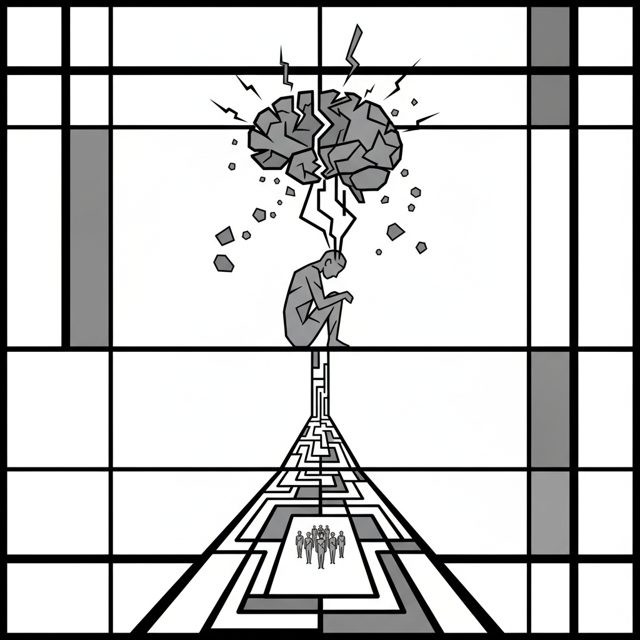
It is now online the final published version of the Article “Exploring the relationship between perceived loneliness and subjective cognitive decline in older individuals.” by Anna Pecchinenda, Alla Yankouskaya, Maddalena Boccia, Laura Piccardi, Cecilia Guariglia, and Anna Maria Giannini published in Aging & Mental Health. In the present study we conducted a cluster analysis and 3 clusters of individuals with different profiles emerged. Individuals with greater subjective cognitive problems (cluster 1) in the attention and storage domains, reported higher perceived loneliness and stress but not depression. In contrast, individuals with the least subjective cognitive problems (cluster 3) in the storage domain, reported lower perceived loneliness. In conclusion, individuals with higher subjective cognitive decline also report higher levels of perceived loneliness but not more depression than their peers. However, this correlation is present only for individuals with mild subjective cognitive decline (cluster 2).
More from the blog
 AI-generated
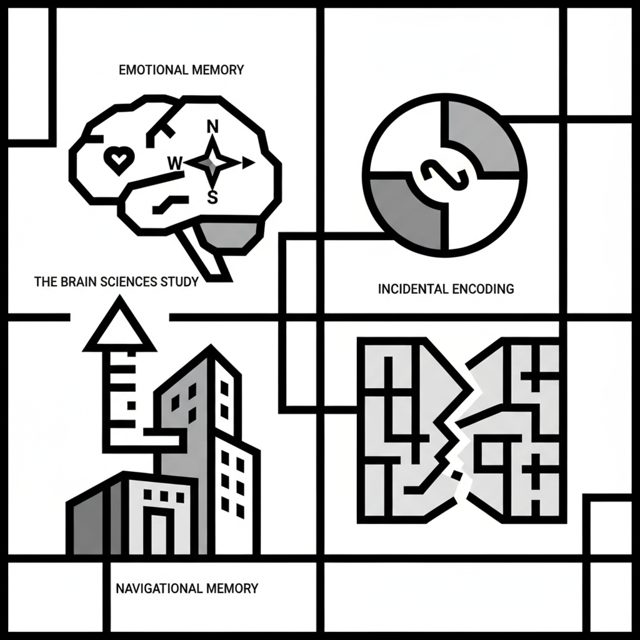
Intentional Versus Incidental Encoding of Emotional and Navigational Memory: The Brain Sciences Study
The article “ Intentional Versus Incidental Encoding of Emotional and Navigational Memory: Preliminary Data in Healthy Young Adults”, by Andrea Di…
Read more →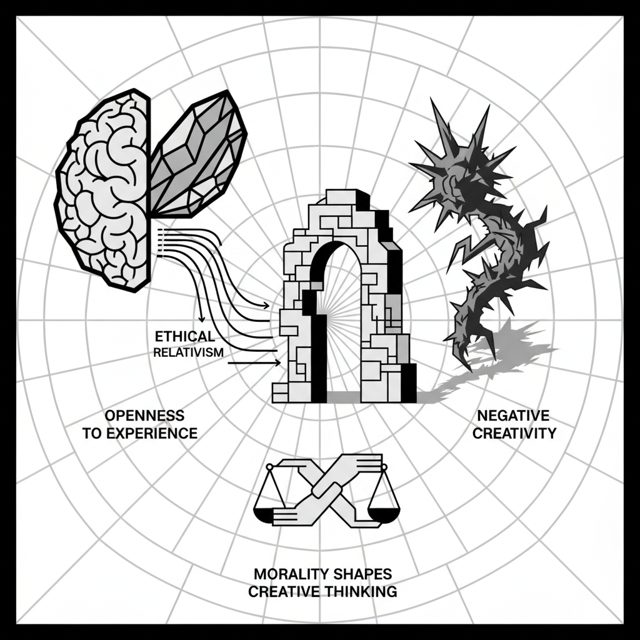 AI-generated
Ethical Relativism Mediates the Association Between Openness to Experience and Negative Creativity: How Morality Shapes Creative Thinking
Creativity is traditionally viewed as a valuable resource for human evolution and innovation. However, not all brilliant ideas yield favorable outcomes…
Read more → AI-generated
How Misinformation Reshapes Our Navigational Memory and Cognitive Maps
Human memory is notoriously susceptible to suggestion, a phenomenon widely documented in eyewitness testimony. However, a groundbreaking new study…
Read more →