Relationship Between Depression and Neurodegeneration: Risk Factor, Prodrome, Consequence, or Something Else? A Scoping Review

It is now online the review: Relationship Between Depression and Neurodegeneration: Risk Factor, Prodrome, Consequence, or Something Else? A Scoping Review by Dario Papa, Alessandro Ingenito, Alessandro von Gal, Maria Francesca De Pandis, and Laura Piccardi, published in Biomedicine.

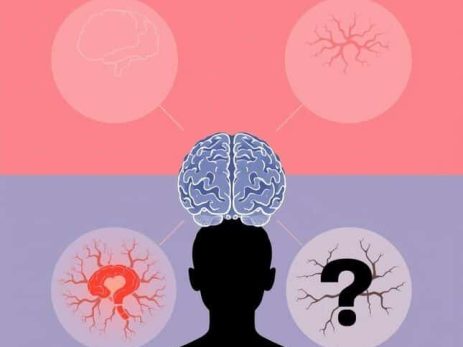
This article seeks to investigate the unclear link between depression and neurodegeneration. A huge debate exists whether depression is a risk factor, a prodrome, a consequence, or unrelated. This review examines these possibilities to clarify their connection, focusing primarily on Alzheimer’s disease, vascular dementia, Parkinson’s disease, and other highly comorbid neurodegenerative diseases. The studies included in this review focused on neurodegenerative diseases with high comorbidity with depression, published in peer-reviewed English-language journals, providing empirical evidence on the link between the two conditions or theoretical frameworks that point to other studies. Non-human studies and those irrelevant to this connection were excluded. Source of evidence: AI-supported tools identified relevant articles. Most studies suggest depression may contribute to neurodegeneration, but clinical, neuroimaging, and longitudinal evidence also support its role as a prodrome or consequence, indicating a bidirectional relationship. Despite extensive research, the connection remains unclear, highlighting the need for further investigation into underlying mechanisms and interdependencies, focusing on longitudinal studies by examining causality.

Relationship Between Depression and Neurodegeneration: Risk Factor, Prodrome, Consequence, or Something Else? A Scoping Review: https://www.mdpi.com/2227-9059/13/5/1023

More from the Blog

This study explores the significant impact of Fear of Missing Out (FoMO) on adolescent online vulnerability during the COVID-19 pandemic's third wave, highlighting the mediation role of FoMO between age and vulnerability.
Adolescence and Online Vulnerability: The Crucial Role of FoMO in the COVID-19 Pandemic Era
Adolescence and Online Vulnerability: The Crucial Role of FoMO in the COVID-19 Pandemic Era Introduction: A Landmark Study on Adolescent Online Safety We are thrilled to announce the online publication of a groundbreaking article titled "Adolescence and online vulnerability: The role of fear of missing out (FoMO): A cross-sectional study during the third wave of […]
A cross-sectional study of gender role adherence, moral disengagement mechanisms and online vulnerability in adolescents
It is now online the final published version of the Article “A cross-sectional study of gender role adherence, moral disengagement mechanisms and online vulnerability in adolescents.” by Laura Piccardi, Jessica Burrai, Massimiliano Palmiero, Alessandro Quaglieri, Giulia Lausi, Pierluigi Cordellieri, Angelo Fraschetti, Anna Maria Giannini and Emanuela Mari published in Heliyon. In the present study we […]
Editorial: Effects of physical exercise on brain and cognitive functioning, volume II
It is now online the editorial: Editorial: Effects of Physical Exercise on Brain and Cognitive Functioning, volume II by Soledad Ballesteros, Laura Piccardi, and Joshua Oon Goh, published in Frontiers in Human Neuroscience. The editorial introduces Volume II of this research topic, which focuses on the effects of physical activity on the brain and cognition. […]
Scroll to Top