

 AI-generated
As life expectancy rises, finding modifiable factors that protect against age-related cognitive decline has become a public health priority. Could a demanding profession act as a form of active cognitive reserve? A new study, “Aeronautical expertise and cognitive reserve: protective effects on age-related cognitive decline” by Alessia Bonavita, Paola Verde, Matilde Grieco, Luigi Cacciapuoti, Mariangela Zona, Pierandrea Mirino, Cecilia Guariglia and Laura Piccardi, published in Aging, Neuropsychology, and Cognition, explores this question with a unique population: pilots.
The Research: Pilots and Non-Pilots Across the Adult Lifespan
Flying an aircraft constantly engages visuospatial working memory, divided attention and executive functions under time pressure. The authors compared 142 men aged 20 to 85:
-
71 military and airline pilots
-
71 non-pilots
The two groups did not differ in age, and education was controlled for in all analyses. Cognitive performance was assessed with the DiaNe battery, which covers verbal memory, attention, working memory and visuospatial abilities. Beyond group comparisons, the authors used segmented regression to identify “breakpoints”, the ages at which performance starts to decline.
Key Findings: A Flatter Aging Curve
-
Visuospatial advantage. Pilots outperformed non-pilots in visuospatial domains, with large effects in spatial binding and figurative positioning. They also processed verbal memory faster.
-
More careful error monitoring. Pilots took longer to respond on working memory false alarms, which suggests a more deliberate control of errors.
-
Less age-related slowing. Age moderated group differences in working memory, sustained and selective attention, verbal memory response times and vista-space positioning. In all of these, pilots showed much less age-related slowing than non-pilots.
-
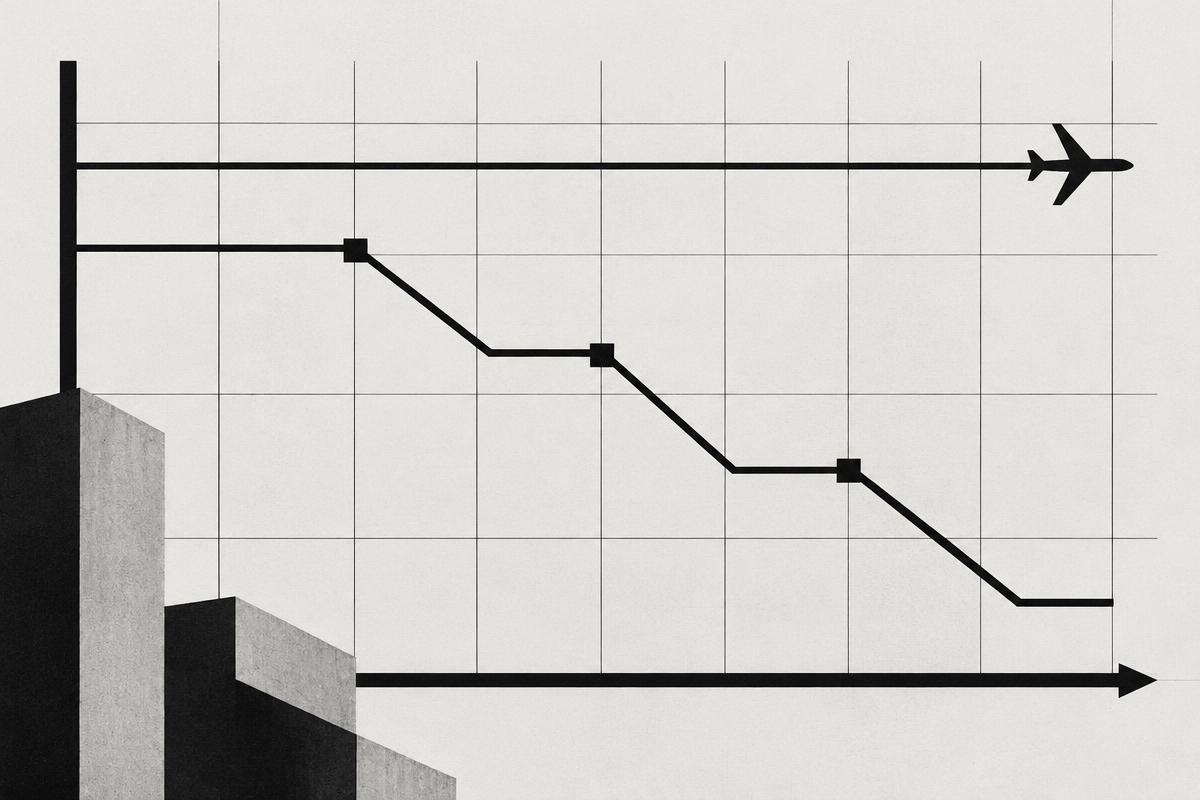
No breakpoints for pilots. Non-pilots showed aging breakpoints between 41 and 69 years. Pilots kept stable trajectories across the whole age range observed.
Implications and Future Directions
These findings suggest that professional expertise can work as a modifiable cognitive reserve factor, associated with later changes in the relationship between age and performance. The study is cross-sectional, so longitudinal research will be needed to confirm these trajectories. Still, the results open the way to expertise-based approaches for promoting cognitive resilience in aging.
Read more about our research on spatial cognition or browse our publications.
 AI-generated
More from the blog
 AI-generated
GEB-18: A Refined Pro-Environmental Attitudes Scale
Pro-environmental attitudes, measured better: the GEB-18, a shorter Italian scale published in Current Psychology, beats the 26-item version on reliability.
Read more → AI-generated
Internet Gaming Disorder: Dark Personality Traits
Internet Gaming Disorder and dark personality traits: a study of 551 adult gamers explores five profiles and associations with problematic gaming.
Read more →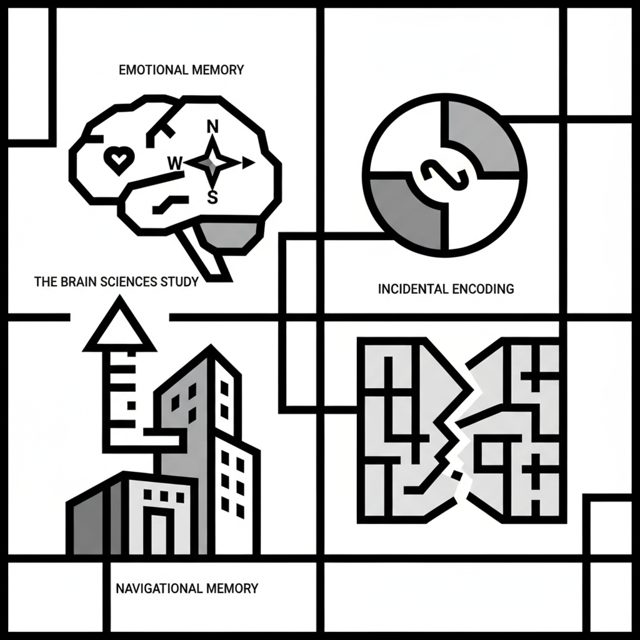 AI-generated
Intentional Versus Incidental Encoding of Emotional and Navigational Memory: The Brain Sciences Study
The article “ Intentional Versus Incidental Encoding of Emotional and Navigational Memory: Preliminary Data in Healthy Young Adults”, by Andrea Di…
Read more →